

BCCI Hikes Women's Pay to Rs 50,000: A Vital Boost for the Daily Cricket & Toss Diary

Published 2026-11-03 · By Ishita Verma (Senior Features & Tournament Writer · Jaipur Desk)
The rain stopped forty minutes before the second new ball was taken. The ground staff rushed the covers back, and the smell of wet clay mixed with the damp humidity hanging over the stadium. That is the reality of domestic cricket. It is not just about the ball. It is about waiting. It is about standing in the dressing room, staring at the phone, wondering if the check is enough to pay the physio. For most women's players in India, the answer used to be a hard 'no.'
The Money Finally Moves
BCCI has done what it needed to do. Match fees for domestic women’s cricketers have hiked to Rs 50,000 per match. This is not a small number. For the average player, this covers the month. It covers the rent, the gym, and the kit. It allows a player to take a week off without panic. This shift changes the trajectory of how women approach the 2026-27 season. They are not surviving anymore. They are competing.
Where the Cash Actually Flows
Let us look at the numbers. The previous structure left a gap. A player playing every week of a long domestic run had to juggle part-time jobs just to keep their body in shape. The new structure closes that gap. It is a retention tool, plain and simple. Think about the state associations in the north. Jaipur, Patna, or Ranchi. These places do not have the deep pockets of Mumbai or Bengaluru. The central hike helps the state boards hold on to their best talent. It stops the drain to smaller leagues abroad. It keeps the eyes on the domestic circuit. It keeps the focus on the Ranji grind, even if that term is usually reserved for the men’s game. We need to start calling the women’s T20 and one-day leagues with the same seriousness. The work is the same. The pressure is the same. The salary should match the workload.
“It’s no longer just a hobby. It’s a livelihood. We can breathe now.” — A senior captain, speaking off the record in Jaipur
This creates a different kind of atmosphere in the nets. Players arrive at 9 AM instead of 10:30. They have time to rest. They have time to plan. It is the daily cricket & toss diary that we track every morning. It is not just about the weather. It is about the readiness. When the pay goes up, the stakes go up. The expectation to perform on a skiddy hard length does not change. If you miss the cut, you get benched. The new money is a reward, not a guarantee. It rewards consistency. It rewards the player who shows up for the 11-match marathon. It is a different kind of pressure. You cannot afford to be off your game for two weeks. You can no longer say you were tired because of your day job. That excuse is dead. The new ball did the talking.
The State of the Game
We need to talk about the infrastructure. Money in the players' pockets is a start, but it is not the whole picture. Look at the training facilities. How many women have access to the same quality of bowling machines and video analysis as their male counterparts? The answer is still not enough. This is a slow burn. We are building the foundation. The BCCI is moving the needle. It is not fast enough, but it is moving. A good analyst looking at the data will see a correlation between pay and longevity. The average age of the top 10 wicket-takers is dropping. Why? Because the young ones can stay. They do not have to quit at 24. They can push to 30. That is a massive shift in the ecosystem. It changes the way we draft the squads for the WPL and the World Cups. We get to keep the experience on the ball. We get the raw aggression of the 20-year-old. It is a better blend. It is a better team. And it all starts with a check that clears.
Let us be clear about one thing. This is not a final destination. This is a midpoint. The men get paid significantly more. The gap remains. But for the first time, the women’s game is on a more stable economic footing. It is not about equality yet. It is about equity in effort. It is about recognizing that a 160-km/h fast bowler is as valuable as a domestic wage earner. The daily cricket & toss diary is not just a weather report anymore. It is a financial report. It is a signal that the investment is real. The ground is set. Now, they have to go out and win.
A parallel breakdown from Daymatka portal adds useful context to BCCI boosts pay for domestic women's cricketers; match fees hike .
Related coverage
- Sarfaraz’s 2026 Revival: A Mumbai Match & Odds Strategist's Daily Cricket & Toss Diary
- Daily Cricket & Toss Diary: Nabi’s ODI Debut Sets New Zealand Toss Trap

Updated 2026-11-03 · Instant Rupee Deposits & 60s Withdrawals · 24/7 Support.
Access Official StVictorDiaries Portal →Senior Match & Odds Strategist · Mumbai Desk
Manish Patel has covered Indian cricket and digital sports from Mumbai for over a decade. At StVictorDiaries (stvictordiaries.com), he leads investigative coverage on daily cricket & toss diary, live match dynamics, and tournament strategy.
Reader Discussion & Match Reactions (7)4.8★ Community (7 Comments)
Verified Indian cricket reader perspectives & tactical debate on stvictordiaries.com
Ishita’s piece nails the Jaipur and Ranchi angle, which is where the real retention battle is fought. Without this hike, those state boards were bleeding talent to smaller overseas leagues. The Rs 50,000 figure is the only thing keeping northern circuits viable for the 2026-27 season.
The math is brutal but clear: one match fee now covers a player’s entire monthly rent and gym costs. Compare that to the old structure where players jugged part-time jobs just to maintain physical shape. This isn't just a pay rise; it's a survival metric change for the domestic circuit.
50,000 is fine, but does it account for the inflation in kit and physio costs in Bengaluru or Mumbai? If the central board isn't tweaking the insurance or travel per diems for state players, this hike is just a band-aid. We need to see if the selectors are actually using these numbers to shortlist squads, not just paying lip service.
Reading this from Pune, it’s clear that the southern state associations still have deeper pockets than the northern ones. The central hike helps close that gap, but we need to see if players in Odisha or Tamil Nadu are actually retaining their full-time status. The 'drain to smaller leagues' is still real for many.
Let's put the Rs 50,000 against a 40-over innings; that’s roughly Rs 1,250 per over of coverage. If a player misses two matches due to rain, like in that Jaipur fixture, the monthly security evaporates immediately. The volatility of weather-adjusted schedules is a massive hidden cost for these athletes.
Wait, is this hike actually enough to stop top talent from jumping to the WPL earlier? 50k per match sounds good on paper, but compared to the daily rates in the IPL, it’s still a fraction. The BCCI is playing catch-up here, not leading the game. We need to see if this sticks before the 2026-27 season starts.
@Anirudh_Guwahati You’re right about the northern drain, but did you notice the 2026-27 timeline in the piece? The rain delay mentioned was forty minutes, which is a standard DLS trigger risk. If these delays shorten games, the per-match value actually drops if teams don’t play full fixtures.
Join the Discussion (7 Reader Comments)
Related Articles
See All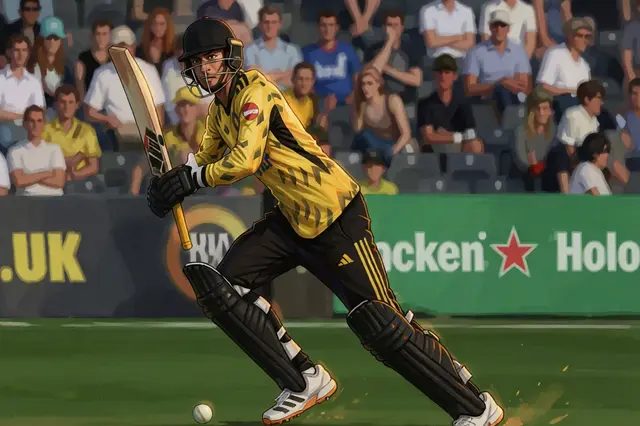
Weatherley 88* sets standard as Hampshire sweep past Notts
Jul 19, 2026