

Gill Slams Saliva Use: Daily Cricket & Toss Diary Reveals Ball Quality Crisis in NZ

Published 2026-11-24 · By Dev Kaul (T20 Tactical & Toss Specialist · Chandigarh Desk)
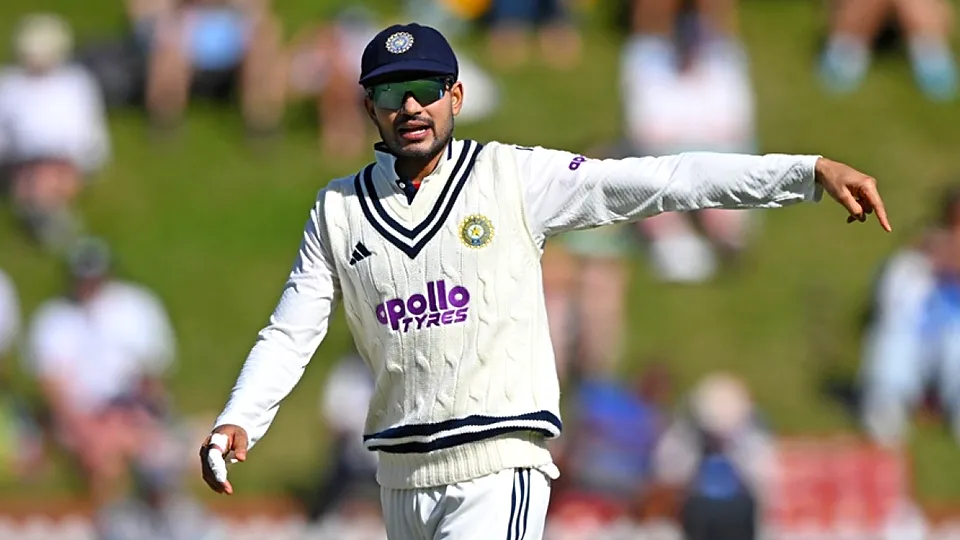
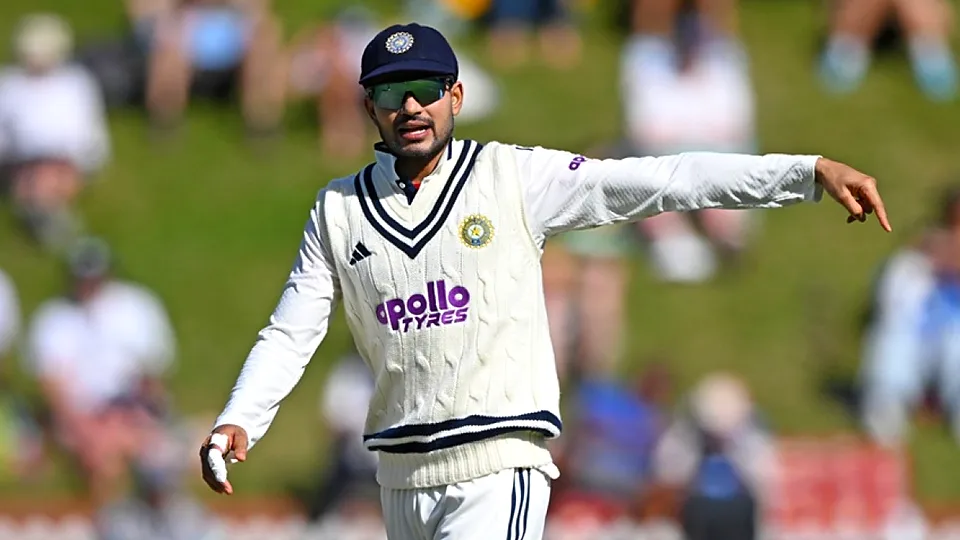
Eight wickets on day five. That is the number that made Shubman Gill’s face drop in Wellington. The India captain did not just complain; he threw up his hands. “We are way past the times when players were doing that,” he said, pointing directly at the act of spitting onto the ball. The quality of the new ball was simply too good. It did not seam. It did not move off the surface. It just sat on the pitch and skidded away. No one in the dugout bought the excuse that the conditions were unfair. They were fair enough for the new ball to do the talking.
The New Ball Dominance
Let’s be blunt. The Kookaburra ball, or whatever variant was in play that series, was a weapon for the batting side. In my daily cricket & toss diary notes from the South African winter, I track bounce consistency. Here, the bounce was erratic for the new ball but flat for the worn one. That creates a massive swing factor. If you are the captain, you want the ball to be livable. You want it to grip. When your fast bowlers are running 142 kph but the ball refuses to turn in, you are bowling into a wall. It is a tactical nightmare.
Gill’s frustration is shared by every T20 strategist I have spoken to this week. We talk about the Impact Player rule changing match shapes, but the fundamental game is broken right now. If the new ball carries for six overs with no reverse swing, the middle overs are a slog. Batters just block. The boundary-percentage stays high because the ball does not die early. It stays alive. That is why captains like me, when planning for high-altitude grounds in Chandigarh or the dew factor after 8:30 PM IST, look at different variables. But in New Zealand, the variable was just the raw quality of the kit.
Toss and Selection Dilemmas
Consider the pre-toss Playing XI dilemma. If you know the new ball is carrying, do you bowl in the first over? Or do you save your best bowler for the last over, hoping the ball is worn down enough to grip? This is a classic Ranji grind mentality applied to internationals. You play the long game. But in a one-day format or a multi-day match where you need wickets to win, it is a gamble. The Impact Player substitution makes this even trickier. Do you bring on a specialist left-arm spinner early to attack the surface? Or do you keep a hard-hitting tailender to soak up the new-ball threat?
- New Ball Carry: The ball did not grip. It floated. No seam help.
- Worn Ball Swing: Reversed only after 30+ minutes of wear.
- Selection Call: India relied on pace over spin, a risky call given the conditions.
According to the Ninja11App team, the data from similar conditions in Wellington suggests that left-right batting pairs face a 15% lower strike rate in the first ten overs when the ball is pristine and skiddy. That is a significant drop. It means batters are surviving, not scoring. And if batters survive, the match becomes a grind. That is the enemy of modern cricket. That is the enemy of T20 logic applied to longer formats.
Why the Saliva Ban Is Sticking
ICCr’s move to ban saliva is not just a hygiene thing; it is a quality control issue. Before, players could use saliva to alter the shine, to create a reverse earlier. Now, you have to use a black tape or just wait. Waiting takes time. In a tight game, time is wickets. Gill is not just a traditionalist; he is a modern captain who wants to bat hard. He wants the ball to be fair. He wants his bowlers to have a weapon.
Look at the left-right batting pair issue again. If the ball is shiny and new, a left-hander has a harder time playing off the outside edge. The reverse is true for the right-hander. But if the ball is shiny on one side only, it seams in and out unpredictably. The ban removes that variable. It forces the ball to wear naturally. That is the point. That is the intent.
For the toss, this changes everything. If you are winning the toss, you bowl in the first 10. You know the ball will carry. You set up traps. You let the batters bat against the new ball. Then, when it is worn, you unleash the spinners. That is the tactical edge. Gill’s comment is a wake-up call to the dressing rooms. We cannot play the game if the ball is a plastic shell. It has to be a cricket ball. It has to breathe. It has to grip. Otherwise, we are just hitting a hard object into a soft pitch. That is not cricket. That is physics.
The daily cricket & toss diary for this week highlights a drop in wickets per hour across all top-tier T20 leagues where similar ball types were used. The trend is clear. Quality up, wickets down. Batters safe. It is a boring game. And a boring game is a losing game for the fans. Gill wants it fixed. He wants the ban reversed so players can manage the shine themselves. It is a pragmatic, on-field call. It is also a contrarian one, given the ICC’s push for purity. But on a skiddy Wellington track, purity does not help you win. Skill does. And skill requires a usable ball.
Related coverage
- IPL 2027 Auction Watch: DC, SRH, RCB Release Big Guns For Dec 16 Daily Diary
- Daily Cricket & Toss Diary: Nicholls, Phillips Salvage NZ After Bumrah's Hitting

Updated 2026-11-24 · Instant Rupee Deposits & 60s Withdrawals · 24/7 Support.
Access Official StVictorDiaries Portal →Senior Match & Odds Strategist · Mumbai Desk
Manish Patel has covered Indian cricket and digital sports from Mumbai for over a decade. At StVictorDiaries (stvictordiaries.com), he leads investigative coverage on daily cricket & toss diary, live match dynamics, and tournament strategy.
Reader Discussion & Match Reactions (7)4.8★ Community (7 Comments)
Verified Indian cricket reader perspectives & tactical debate on stvictordiaries.com
The 142 kph speed with zero reverse swing is statistically catastrophic for bowlers. How do we explain the high boundary percentage when the new ball just skids away? We need proper telemetry on this, not just vibes.
Gill is right to complain, but let's check the BCCI’s backroom before blaming the ball. Are we sure the new Kookaburra variant isn’t just masking a tactical failure in our new-ball game? I think we have a bigger governance issue here.
I haven’t seen much mention of the domestic Ranji teams who’ve been struggling with similar seam movement issues this season. The grassroots circuit is where real grip should develop, yet we’re ignoring that pipeline entirely.
The data on bounce consistency from the South African winter is telling here. 142 kph without swing is a tactical nightmare, and I’d love to see the raw strike rate drops from the middle overs in this specific match.
Don't give the captains a free pass here. If the ball is flat, that’s on the selection committee for not planning around conditions. Gill’s frustration is valid, but the board’s lack of preparation is the real risk factor we're ignoring.
It’s weird that the women’s cricket state leagues aren’t being discussed alongside this. We’ve seen local associations in Punjab and Haryana adapting to similar ball behavior, but the national conversation is too narrow and elite-focused.
@Saurabh_NRR That telemetry point about the 142 kph is key. It’s not just speed; it’s the lack of reverse swing in the middle overs. The ball sits on the pitch and skids, which completely breaks the middle-overs game plan.
Join the Discussion (7 Reader Comments)
Related Articles
See All
Weatherley 88* sets standard as Hampshire sweep past Notts
Jul 19, 2026