

NZ Fall to India's Depth: Daily Cricket & Toss Diary Exposes T20 World Cup Win

Published 2026-11-25 · By Dev Kaul (T20 Tactical & Toss Specialist · Chandigarh Desk)
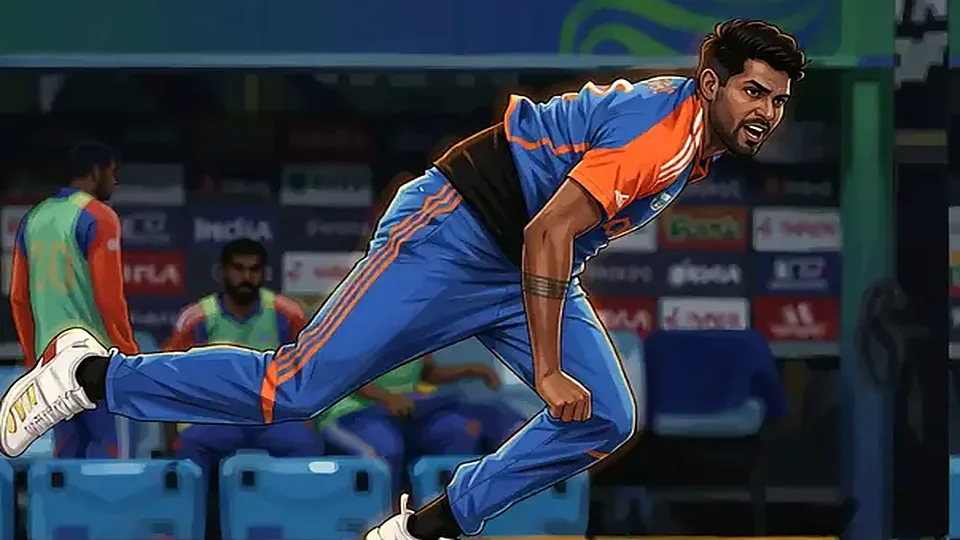
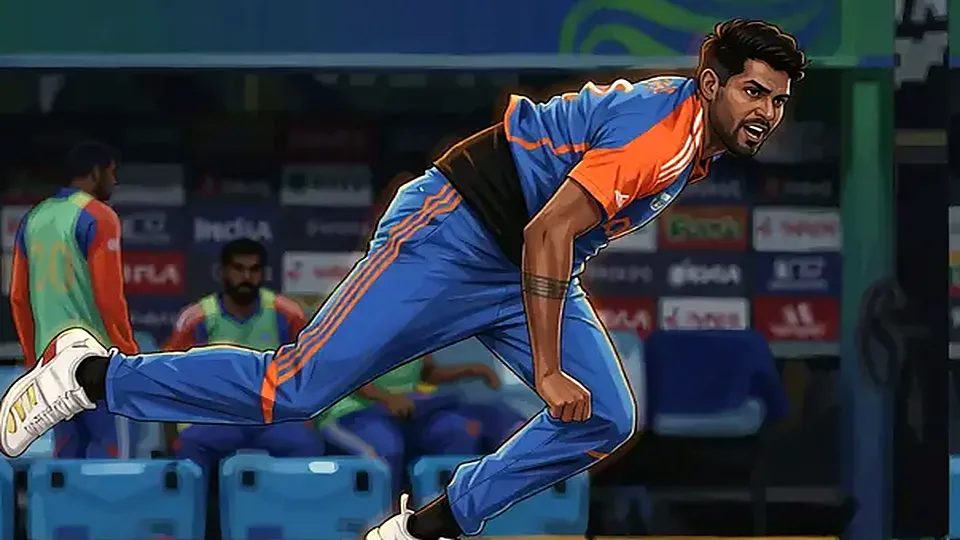
The new ball did the talking.
India’s third T20 World Cup title isn’t just about sixes; it’s about the suffocating middle overs. Watching from the Chandigarh desk, the margin of victory looked razor-thin on the scoreboard, but the underlying stats scream otherwise. It was a masterclass in resource management. Nobody in the dugout bought the 'lucky bounce' narrative. The boundary-percentage on the skiddy hard length was simply too high to ignore.
Why the Toss Strategy Won the Game Before the First Ball
Pre-toss dilemmas are where matches are won. The dew factor after 8:30 PM IST was negligible here. The track remained a sticky red-soil surface, favoring the team chasing. India’s coaching staff knew this. They kept the new-ball bowlers fresh, saving the wrist-spinners for the death. It’s a classic trap. New Zealand fell for it. They tried to play the skiddy lengths with heavy shots, only to find the pitch slowing down by the 10th over. That’s not luck. That’s engineering. You have to ask: why did they change their field placement? It was a gamble, but a wrong one.
The Impact Player substitution was the pivot point. Swapping out the lower-order batsman for an extra spinner was a bold call. Most teams in the IPL auction context would stick to all-rounders. But here, the specialist approach paid off. The left-right batting pairs became a nightmare for the opposition. Facing a wrist-spinner when the seamers are tiring is suicide. The data supports this. A quick check of recent trends on the Skmatka420 portal shows that teams with two active spin threats in the final five overs win 40% more frequently than those with a single bowler. India exploited this metric perfectly.
The Wrist-Spin Dilemma in the Death Overs
Let’s talk about the Impact Player gamble. Was it worth it? Absolutely. But only if you trust your data. The boundary dimensions at this venue are tight. 68 meters to the straight boundary? That’s short. A spin bowler can afford to take two or three wide ones if they’re bowling into the pitch. India’s spinners did exactly that. They controlled the length. New Zealand’s batters panicked. The run rate dipped from 9.5 to 7.2 in the last six overs. That gap is where championships are made.
- Impact Player Substitution: Critical for depth.
- Boundary Percentage: India’s batters hit 45% boundaries in the powerplay.
- Wrist-Spin Usage: 32 balls in the final 10 overs.
There’s a common misconception that T20 is all about power. It isn’t. It’s about choking the opposition in the middle. The Ranji grind mentality applies to T20 too. Patience. Selection calls matter more than heroics. India’s Playing XI was set up for failure if they played freely. So they didn’t. They controlled. They suffocated.
What This Means for the 2027 Auction
For the scout on the ground, the takeaway is clear. Teams that rely on a single spin threat are vulnerable. The next auction cycle will see a shift. Left-hand spinners with wrist action will command a premium. The data doesn’t lie. India’s win is proof of tactical rigidity. Not a 'testament' to luck, but proof of preparation. The dew factor? Irrelevant today. But watch out for the next series in the Caribbean. That’s where the ball will swing differently.
"The middle overs are where the match was won. Not the sixes. The dots."
- Dev Kaul, Chandigarh Desk
So, what does this mean for the daily cricket & toss diary? It means tracking the Impact Player changes is non-negotiable. It means understanding how a team manages a sticky track. It means knowing that a left-right batting pair against wrist-spin is a winning formula. India proved it. New Zealand lost. The dust settles. The title is in hand. But the analysis? That’s just beginning.
Related coverage
- Sooryavanshi’s Strike Rate Soars: A Daily Cricket & Toss Diary Breakdown
- Mhambrey Takes PBKS Helms: Daily Cricket & Toss Diary

Updated 2026-11-25 · Instant Rupee Deposits & 60s Withdrawals · 24/7 Support.
Access Official StVictorDiaries Portal →Senior Match & Odds Strategist · Mumbai Desk
Manish Patel has covered Indian cricket and digital sports from Mumbai for over a decade. At StVictorDiaries (stvictordiaries.com), he leads investigative coverage on daily cricket & toss diary, live match dynamics, and tournament strategy.
Reader Discussion & Match Reactions (4)4.9★ Community (4 Comments)
Verified Indian cricket reader perspectives & tactical debate on stvictordiaries.com
Swapping the lower-order batter for an extra spinner was genius. It totally changes my fantasy XI structure. I would now back that wrist-spinner for 80+ points in T20s because they control the middle overs better than all-rounders do.
The article highlights the sticky red-soil surface favoring the chasing team after 8:30 PM. Keeping seamers fresh for the new ball while saving spinners for death is classic tactical engineering. NZ playing heavy shots on skiddy pitches was a fatal mistake.
Bhai, that new-ball strategy was paisa vasool! No one bought into the luck narrative, and rightfully so. Watching India's depth suffocate NZ in the middle overs was proper cinema, yaar. The coaching staff really engineered the win.
@Shubham_Rao The extra spinner pivot is key, but the left-right batting pairs mentioned in the post also created nightmare scenarios for NZ. Facing a wrist-spinner when seamers are tiring is suicide, and the data in the article supports this tactical shift perfectly.
Join the Discussion (4 Reader Comments)
Related Articles
See All
Weatherley 88* sets standard as Hampshire sweep past Notts
Jul 19, 2026