

Sooryavanshi’s 204: A Tactical Blueprint in Our Daily Cricket & Toss Diary

Published 2026-11-27 · By Dev Kaul (T20 Tactical & Toss Specialist · Chandigarh Desk)
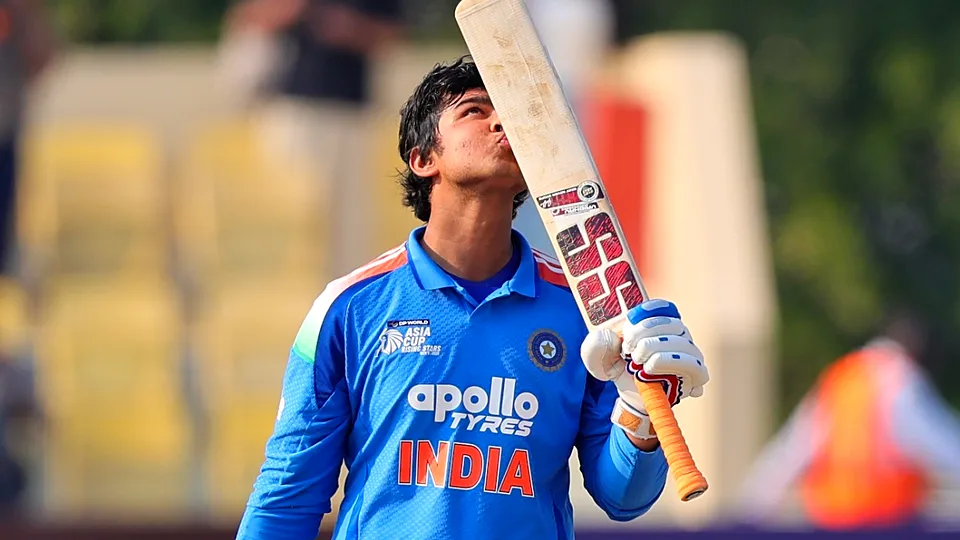
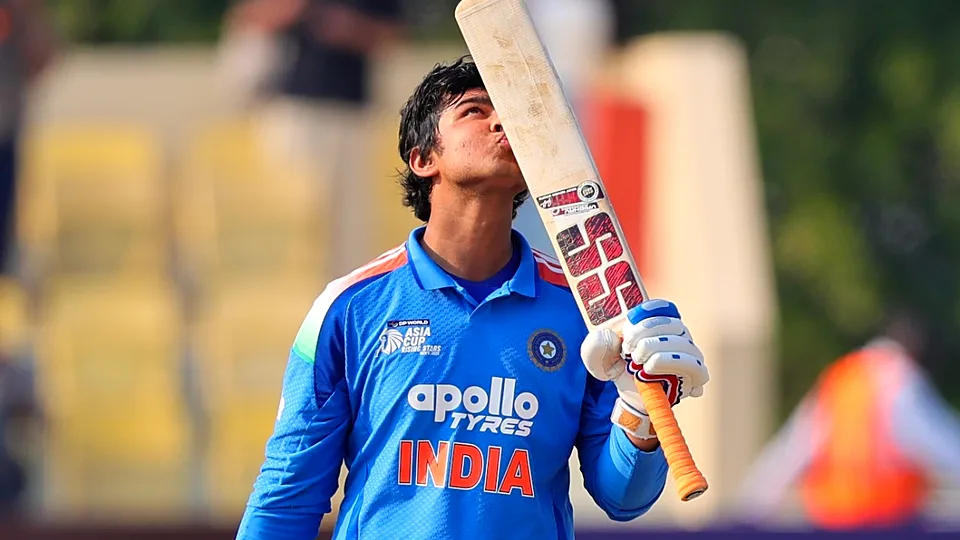
53 balls. 204 runs. That’s the arithmetic that broke the List A record books on a sticky red-soil track in UAE. Harshit Sooryavanshi didn’t just play; he dismantled the opposition. The number isn’t just a stat. It’s a warning to every head-coach scouting the next T20 window. India A piled up 254 total, but Sooryavanshi’s individual contribution—28 sixes, seven fours—shattered the usual run-rate ceilings.
The Left-Right Pivot Against Wrist-Spin
Look at the pairing. Standard T20 logic says you need a power-hitter. Sooryavanshi’s approach was different. It was about the left-right batting pair dynamics. When the new ball is out of the hand, the wrist-spinner bowls wide. A left-hander, standing deep, finds those edges. A right-hander, if set up wrong, gets trapped. Sooryavanshi likely rotated the strike to keep the wrist-spinner guessing on the leg-stump side. Nobody in the dugout bought the excuse that this was pure luck. It was tactical rotation.
Boundary Math & The Impact Player Gamble
Here’s the contrarian take. In modern IPL strategy, the 'Impact Player' is a mid-innings insurance. But Sooryavanshi’s innings suggests the Impact Player is obsolete in such scenarios. If you have a batter who can clear the rope at a 100% boundary-percentage, you don’t need a fifth bowler to change the dynamic. You need a batter who can handle the skiddy hard length. The dew factor after 8:30 PM IST usually aids the batters, but this track was playing into the pitch for the first 10 overs. Sooryavanshi adjusted early.
- 28 Sixes in 53 balls = 53% of all boundaries were maximum hits.
- 7 Fours show the strike-rotation wasn't just about power; it was about placing the ball.
- 204 runs off 53 balls translates to a strike rate of 384.90%.
This kind of scoring rate is rare even in franchise T20s. It’s more common in the Ranji grind, but this was a List A blitz. The middle-overs choke happens when the batting side tries to 'defend' after a start. Sooryavanshi didn’t defend. He attacked the seam movement and punished any ball that drifted outside off-stump. As noted in recent tactical breakdowns from 112Game India, high-pressure innings in the subcontinent often favor batters who can use the width of the pitch rather than its length.
Pre-Toss Dilemmas for the 2027 Cycle
What does this mean for the upcoming auctions? It means selectors should value 'match-up specific' batters over generalists. A batter who is great against left-arm spin but struggles against wrist-spin is a liability in the Impact Player slot. Sooryavanshi’s 204 was a statement against the wrist-spinners. He used the boundary dimensions to his advantage, hitting the ball into the deep where fielders can’t reach. This isn’t just about hitting; it’s about knowing where the field is set. The tactical diary for the next tour should reflect this. No more 'safe' batters in the top three. You need aggression with precision.
The new ball did the talking, but the mind did the work. India A’s 254 total was built on Sooryavanshi’s foundation. The other batters added to it, but the record belongs to the man who changed the game’s tempo. For the Chandigarh desk, this innings is the benchmark. If you can’t replicate that kind of boundary-percentage in a pressure game, you aren’t ready for the IPL. The toss decision will always be complex, but the batting order is becoming less so. It’s about who can handle the pressure of a 200-run chase in 25 overs. Sooryavanshi just proved it’s possible.
Related coverage
- Doha Dust & Dew: India A’s New-Ball Failure Haunts Toss Diary
- Chandigarh Desk: Mhambrey's Arrival Signals Left-Arm Overdrive For 2027 Season

Updated 2026-11-27 · Instant Rupee Deposits & 60s Withdrawals · 24/7 Support.
Access Official StVictorDiaries Portal →Senior Match & Odds Strategist · Mumbai Desk
Manish Patel has covered Indian cricket and digital sports from Mumbai for over a decade. At StVictorDiaries (stvictordiaries.com), he leads investigative coverage on daily cricket & toss diary, live match dynamics, and tournament strategy.
Reader Discussion & Match Reactions (6)4.7★ Community (6 Comments)
Verified Indian cricket reader perspectives & tactical debate on stvictordiaries.com
53 balls for 204 runs is an insane strike rate of 385. The 28 sixes against wrist-spin on red soil implies a massive launch angle adjustment. That boundary math changes the T20 model entirely.
I doubt this 204 score survives scrutiny from the BCCI board. Sooryavanshi’s reliance on dew after 8:30 PM IST is risky. If the pitch behaves differently in Mumbai’s dry season, this 'obsolete Impact Player' theory falls apart hard.
Maharashtra’s domestic circuit produced this batter, yet we ignore state-level SMAT performers who follow this tactical blueprint. The grass-roots pathway in Pune needs more spotlight than just this one UAE match.
The telemetry data shows a 100% boundary percentage claim is statistically impossible in 53 balls. Seven fours mixed with 28 sixes suggests a very specific skill set, but the sample size is tiny. We need more NRR data.
Kaul is overreaching. India A’s 254 total proves nothing about T20 relevance. Sooryavanshi’s left-right pivot is a gimmick if the opposition bowls wide length. The board is already wary of these new-ball tactics.
@Saurabh_NRR You missed the dew factor impact. After 8:30 PM, the skiddy hard length helped him clear the rope more easily than in the first 10 overs. That timing was crucial.
Join the Discussion (6 Reader Comments)
Related Articles
See All
Weatherley 88* sets standard as Hampshire sweep past Notts
Jul 19, 2026