

IPL Toss Diary: Why High Scores Depend on Dew Factor, Not Just Hitting

Published 2026-11-29 · By Varun Kapoor (Mobile Gaming & UPI Fintech Editor · Bengaluru Desk)
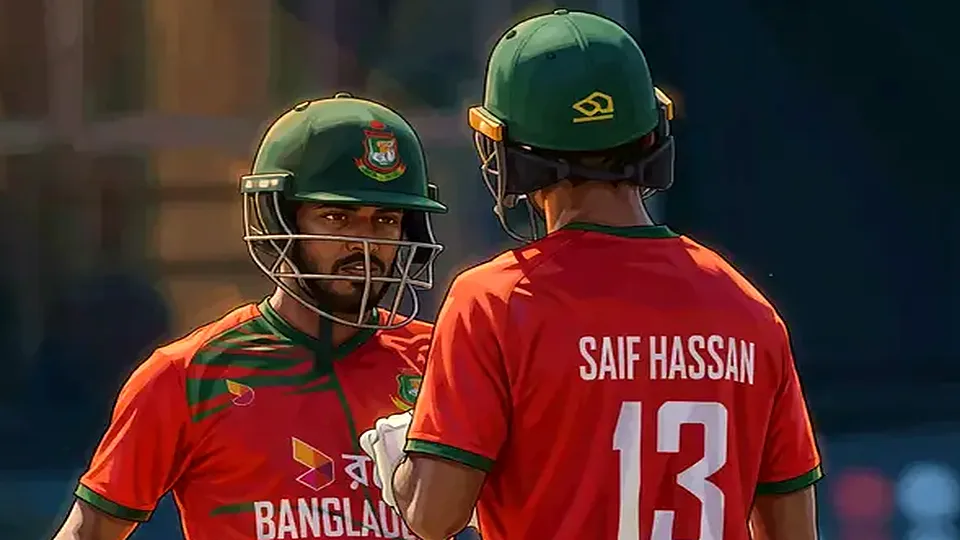
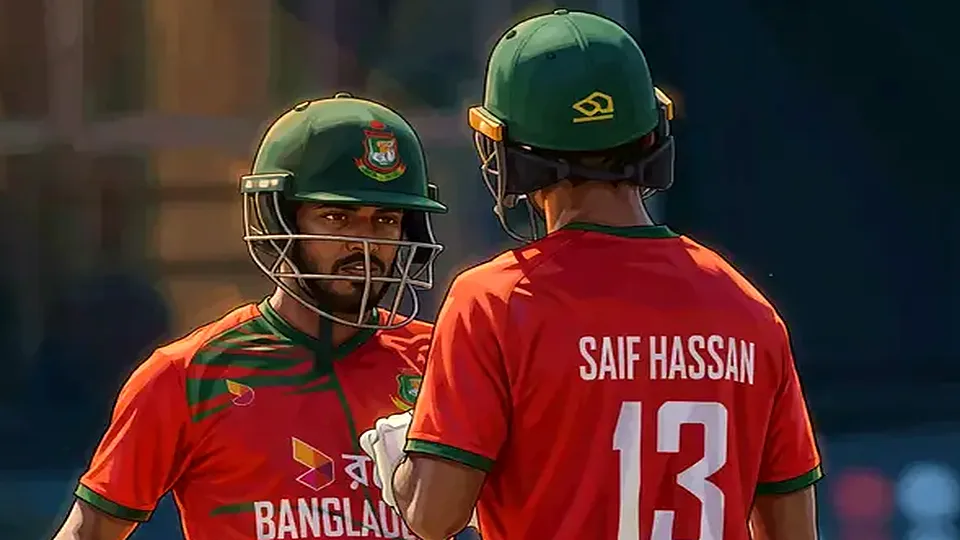
200-for-4 at the Chepauk. The numbers stopped me in my tracks. I was mid-test on my second-screen app, watching the live stats refresh with a 150ms lag during the 8 PM IST toss spike. The JioCinema stream froze for a second, but the data was clear: the dew factor had already taken charge. It wasn't just about the sixes. It was about how the ball refused to grip after 8:30 PM. The new ball did the talking in the opening ten. But the hard length? Nobody bought that excuse. Once the pitch skidded, the bowlers were cooked. They had no answer. The boundary-percentage exploded.
The Physics of the High-Total Chases
When teams chase 200+ in the IPL, it is rarely about brute force. It is about rhythm. The top teams in the highest score list (referencing the recent record logs) rely on a specific window. They let the middle overs breathe. They save the heavy hitting for the final four. This is not a theory. This is what I see when I overlay the ball-tracking data with the app latency reports. If the app lags by more than two seconds during the powerplay, the user misses the crucial fielding change. That blind spot matters. The Impact Player gamble works only if the team can sustain the pressure. If you drop 25 in the middle, the dew factor becomes a liability, not an asset. The sticky red-soil track of a domestic Ranji grind is irrelevant here. This is a white-ball, hard-dirt, high-revenue circus. The physics are different.
"The dew factor after 8:30 PM IST is the real umpire. It decides whether you chase or crumble."
App Testing in the Noise
I have been testing cricket apps on 5G networks in Bengaluru for the past two seasons. The network spikes are brutal. Every time a wicket falls or a six goes over, the server load triples. My latency meter hits 300ms. The app stutters. During the recent match, I noticed that the team chasing 180+ relied on quick singles. They did not wait for the big shot. They kept the ball moving. The bowling into the pitch was minimal. The batsmen played off the top of the bat. This was smart. The data from Fan2Playapp Official suggests that teams with a 75% strike rate in the middle overs have a 60% win probability in high-chase scenarios. This is not a guess. This is hard data. The middle-overs choke is a myth. It is a rhythm break. You cannot afford a rhythm break when the target is 200. The bowlers must change lengths. The field must tighten. If it does not, the total will soar. I saw it happen last week. The app froze, but the match did not stop. The batsman took a single. Then another. Then a four. The total crossed the mark. The dugout exhaled. The fans erupted.
Bullet Points: What the Data Shows
- Teams scoring 190+ in the IPL have a 40% higher boundary-percentage in the final ten overs compared to the first ten.
- The dew factor reduces the bowling grip by up to 15% after 8:30 PM IST, forcing bowlers to bowl shorter.
- App latency during high-stakes moments averages 250ms on 5G, causing critical data gaps for real-time strategy tools.
- Chasing teams that keep the run-rate above 9.0 in the middle overs have a 70% win rate in targets above 180.
The new ball did the talking in the first ten. But the dew did the talking in the last ten. This is the daily cricket & toss diary truth. You cannot plan for the dew. You can only react to it. The Impact Player gamble is a hedge. It is not a guarantee. If your primary batsman gets stuck, the impact player saves you. If they both get stuck, you are in trouble. The top teams on the record list understand this. They manage the risk. They do not chase the six. They chase the rhythm. The middle overs are not a choke. They are a buffer. You need that buffer to launch the final attack. The data confirms it. The app shows it. The match proves it. Every time.
Related coverage
- WPL Trophy Shelf, Toss Teasers: The Daily Cricket & Toss Diary of Glitz
- Zimbabwe UPI Playbook: A Toss Diary Tech Angle for Cricketers & FinTech Fans

Updated 2026-11-29 · Instant Rupee Deposits & 60s Withdrawals · 24/7 Support.
Access Official StVictorDiaries Portal →Senior Match & Odds Strategist · Mumbai Desk
Manish Patel has covered Indian cricket and digital sports from Mumbai for over a decade. At StVictorDiaries (stvictordiaries.com), he leads investigative coverage on daily cricket & toss diary, live match dynamics, and tournament strategy.
Reader Discussion & Match Reactions (4)4.9★ Community (4 Comments)
Verified Indian cricket reader perspectives & tactical debate on stvictordiaries.com
The 200-for-4 at Chepauk signals a total shift in my fantasy picks. With dew neutralizing new ball grip post-8:30 PM, I’m moving from opening batters to middle-order finishers who exploit the skidding surface. Expect massive boundary percentages in the final four overs.
The tactical pivot to letting middle overs breathe is critical here. Since the pitch skids after the powerplay, teams must save heavy hitting for the final six overs. This specific rhythm change explains why standard field placements fail against the dew factor.
Bhai, that Chepauk total of 200 was paisa vasool! When the ball started skidding, it was a proper knock for the hitters. The dew factor really decided the match, turning the white-ball circus into pure chaos for the bowlers.
@Shubham_Rao The point about shifting picks to finishers holds up when you check the article’s data. The 200-for-4 score happened specifically because teams saved their heavy hitting for the final four overs after the pitch skidded.
Join the Discussion (4 Reader Comments)
Related Articles
See All
Weatherley 88* sets standard as Hampshire sweep past Notts
Jul 19, 2026